
Room-by-Room Scent Zoning for a More Harmonious Home
Today we explore room-by-room scent zoning—matching candle fragrances to home spaces—so every doorway signals a purpose, every corner supports a feeling, and every gathering feels intentional. We will blend practical science about candle throw, airflow, and fragrance families with warm, real-life routines. A neighbor once swapped harsh bathroom sprays for eucalyptus candles and noticed guests lingered, smiling, instead of rushing out. Expect placement tips, safe burn habits, and mood-smart pairings. Share your favorite pairings as you read, and subscribe for future scent maps, seasonal swaps, and community challenges designed to keep your home calm, lively, and clear.
Scent Basics That Make Spaces Feel Effortless
Great candles do more than smell pleasant; they choreograph movement, attention, and comfort across rooms. Understanding note structure, wax types, wick influence, and ventilation helps you avoid muddiness, eye-stinging strength, or disappointing faintness. We will demystify top, heart, and base notes, explain hot throw versus cold throw, and show how room size, ceiling height, and drafts shape perception. With this foundation, you will build subtle transitions instead of jarring clashes. Expect small experiments, quick sniff tests, and story-backed advice that respects allergies, pets, and everyday habits such as cooking, reading, gaming, and restful sleep.


Five-Minute Welcome Ritual
Light a petite citrus or herb candle while you tidy the entry mat and shake coats. The short ritual signals your own brain to prepare for connection, minimizing pre-visit stress. Snuff it once the bell rings; the echo of brightness remains without competing with the living room’s personality. Store a travel tin for emergencies, and rotate to mandarin in winter or lime in summer for seasonally fitting sparkle. Keep matches, a wick trimmer, and a safe tray by the door so this micro-habit feels effortless and repeatable, even on unexpectedly busy days.
Bridge Scents Between Rooms
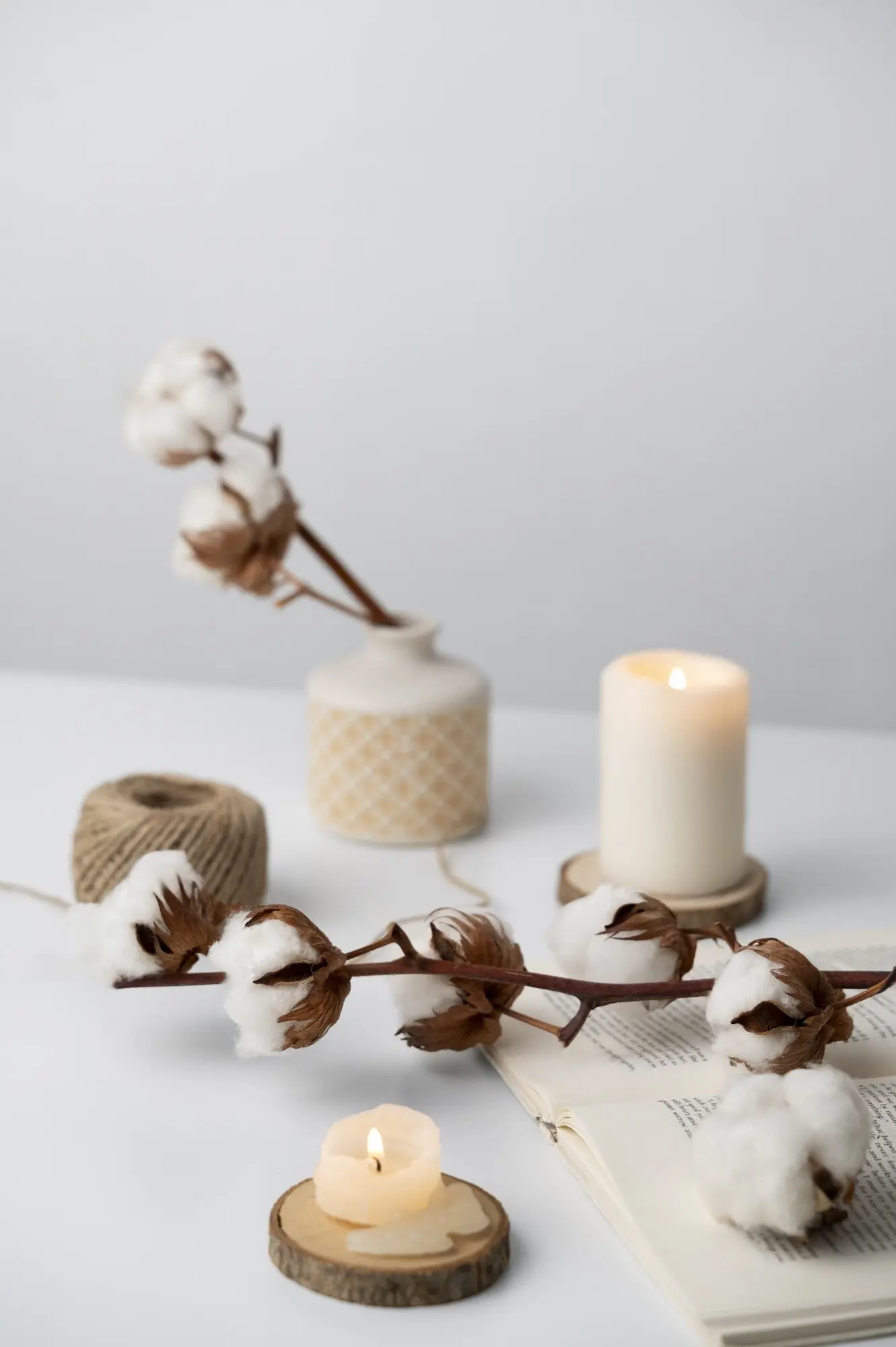
Use hallways to blend transitions so noses never experience a jolt. Pair an entry’s citrus with a hallway linen or soft tea note that gracefully introduces the living area’s warmer woods. Burn for shorter intervals than primary rooms to avoid build-up in narrow spaces. If airflow is strong, switch to a small votive protected by glass. Mark subtle scent waypoints—console table, corner niche, or shelf near art—so fragrance feels intentional, not accidental. Over time, guests subconsciously anticipate a calmer heart rate while moving deeper indoors, guided by these consistent, supportive bridges.
Seasonal Tweaks at the Door
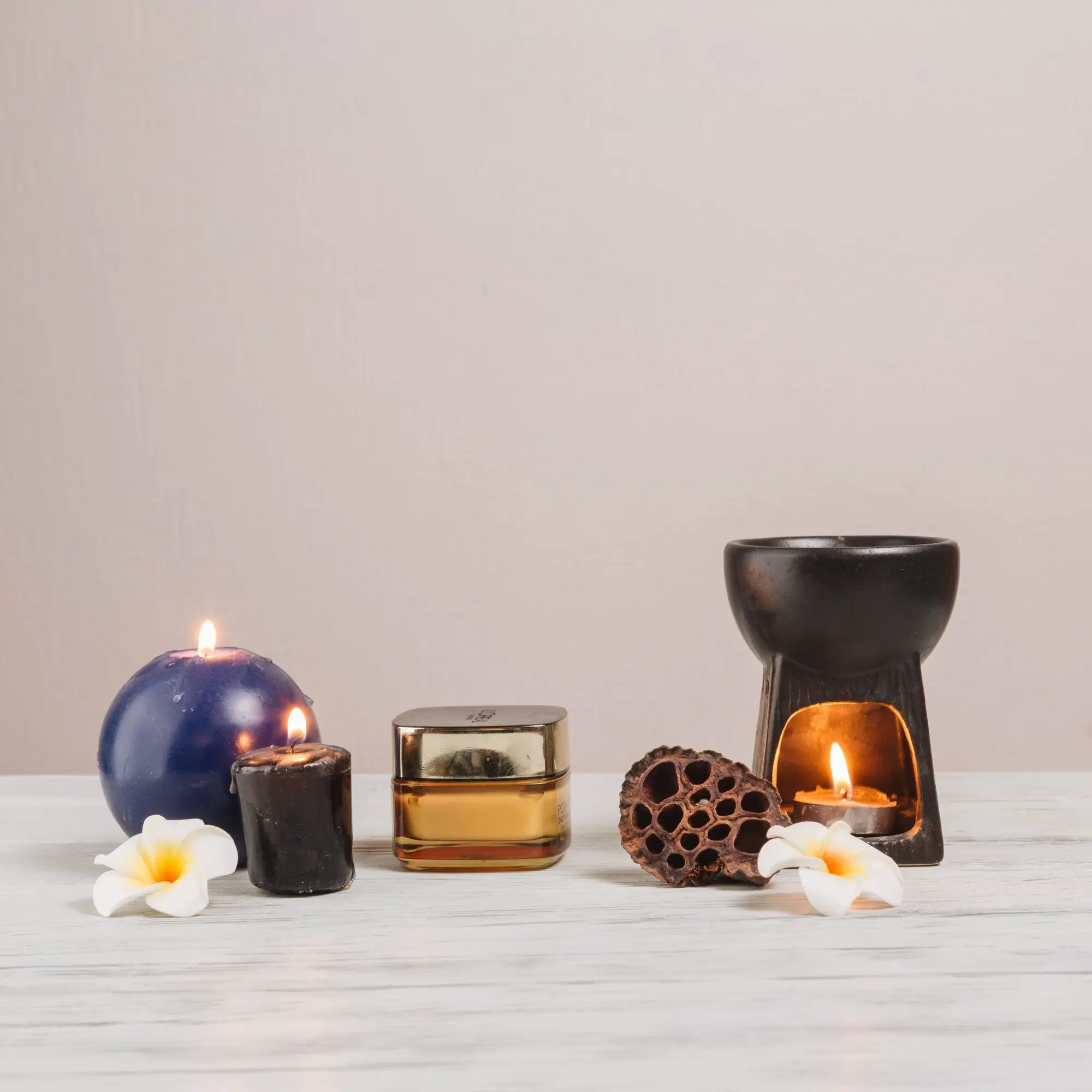
Adjust the entrance candle with weather and daylight. In spring, mint and green fig suggest open windows even on chilly mornings. Summer favors grapefruit and lemongrass, cheerful yet clean. Autumn invites neroli or clove-kissed orange for warmth without bakery sweetness. During winter, bitter orange and cedar whisper coziness before heavier living room notes take over. Keep rotations small—two or three options—so your nose recognizes home even as details shift. Log guest reactions and your own mood in a tiny notebook; those patterns will help refine the perfect welcome over many seasons.
A Living Room That Welcomes Conversation
This is where stories stretch and laughter lingers, so choose fragrances that comfort without dominating. Soft woods, ambers, tea, or sophisticated gourmands create intimacy while respecting diverse noses. Avoid super-sweet bakery notes when hosting varied crowds; instead, aim for creamy sandalwood, roasted chestnut hints, or smoky vanilla that whisper rather than shout. Space candles to prevent hot spots, and burn fifteen minutes before guests arrive to establish ambiance. One reader swapped a syrupy caramel for tea-and-cedar and noticed more compliments, fewer headaches, and easier conversations that flowed long after the last cup was emptied.

Keeping Kitchens Fresh and Dining Tables Appetizing
Prepping During Cooking Sprees
Light an odor-neutralizing citrus-herb blend fifteen minutes before chopping onions or searing meat, then extinguish as cooking begins so flavors lead. Use stovetop fans and crack a window to support airflow. A small candle near the sink helps tackle stubborn garlic without invading sauce aromas. Keep fragrances green, not sweet, to avoid confusing palates. After the first course, if the kitchen still holds echoes of oil, relight briefly to polish the space. Your guests will remember clarity on their plates and effortless transitions between courses, not a tug-of-war between candle and cuisine.
Mealtime Grace Notes
At the table, avoid strong jar candles. Choose slim, unscented tapers for glow, or whisper-light herbals placed far from plates. The goal is friendly light and relaxed conversation, not a second menu hovering over the first. If you love ritual, pre-scent the room ten minutes before seating, then blow out. Materials—linen napkins, wood boards—carry delicate traces that feel elegant without pushing. For celebratory brunches, a faint orange blossom before guests sit can feel sunny and gracious. Always consider dietary sensitivities; a neutral table honors every palate, amplifying the chef’s effort with simple, respectful presence.
Post-Feast Reset
When plates clear, choose refreshment over perfume. A peppermint-ginger or shiso-lime candle brightens the space while aiding the psychological shift to cleanup and stories. Open a window if weather allows, and run a brief fan cycle. Avoid heavy florals; they argue with savory memories. If you brewed coffee, wait five minutes before lighting so aromas layer gently, not chaotically. Close the ritual with warm water and citrus on cutting boards, then extinguish. Guests often sense closure without rushing, lingering comfortably in a room that feels capable, cared for, and ready for tomorrow’s appetites and adventures.
Crisp Bathrooms and Uplifting Laundry Corners
Steam-Loving Botanicals
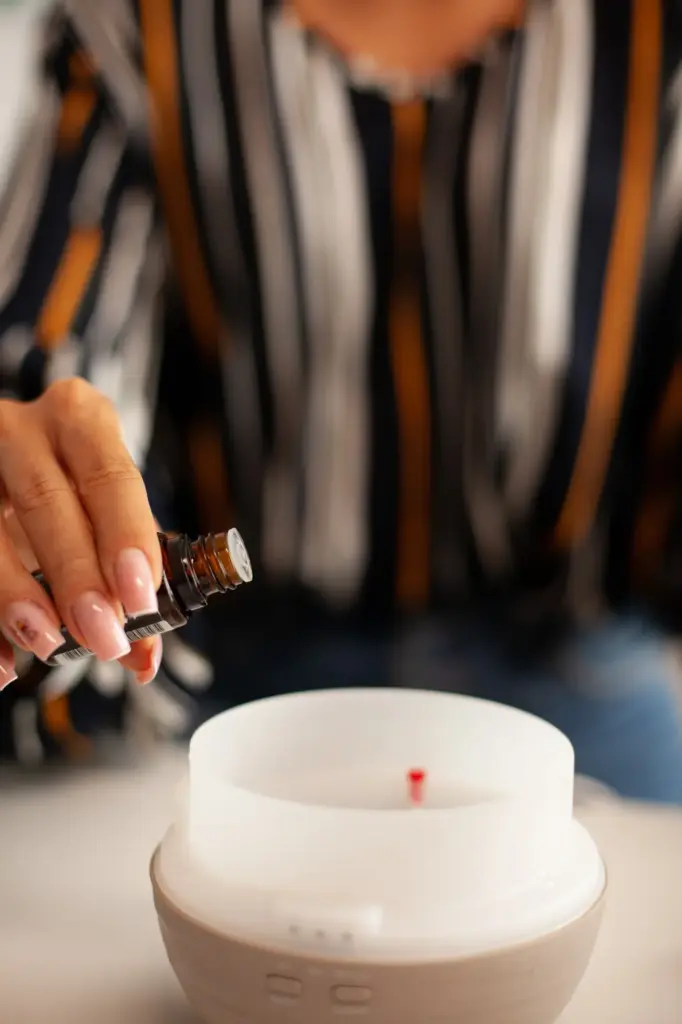
Eucalyptus and peppermint sparkle in humidity, lifting fogged mirrors and tired minds. Light during a warm bath or five minutes before a brisk shower, then extinguish as steam rises so oils do not overwhelm. Keep jars away from towels and sprays, using stable shelves or lidded holders. If mornings feel rushed, a petite travel tin handles quick resets. For evening soaks, a single, low-intensity candle near the tub creates sanctuary vibes without masking water’s subtle mineral scent. Add a sprig of fresh rosemary in a cup to echo the candle and complete the serene ritual.
Elegant Odor Management
Rather than fight odors with louder florals, choose crisp blends that neutralize gracefully. Tea tree and lemon myrtle clear the air while signaling cleanliness. Burn briefly, then let the fan and open door assist. Matching the bathroom palette—cool tiles, pale woods—with equally restrained scents avoids sensory chaos. If you host often, keep a backup tin for guests and provide safe matches. A discreet, repeatable setup fosters dignity and comfort, ensuring visitors feel cared for without drawing attention to mechanics. Clean lines, soft towels, and a restrained candle together communicate everyday hospitality through thoughtful details.
Compact-Space Safety and Placement
In tight rooms, safety shapes every choice. Use wide, stable bases, trim wicks, and never place candles on toilet tanks or wobbly shelves. Keep flames a respectful distance from shower curtains, hanging robes, and paper goods. Favor self-extinguishing lids or snuffers to prevent smoke bursts. If counters are crowded, switch to a protected lantern style or pause candle use entirely and rely on reed diffusers between visits. These boundaries make calm repeatable, maintain good air, and protect finishes from soot. A reliable routine wins over dramatic gestures, keeping serenity effortless and low-risk in daily life.
Restful Bedrooms and Gentle Nights
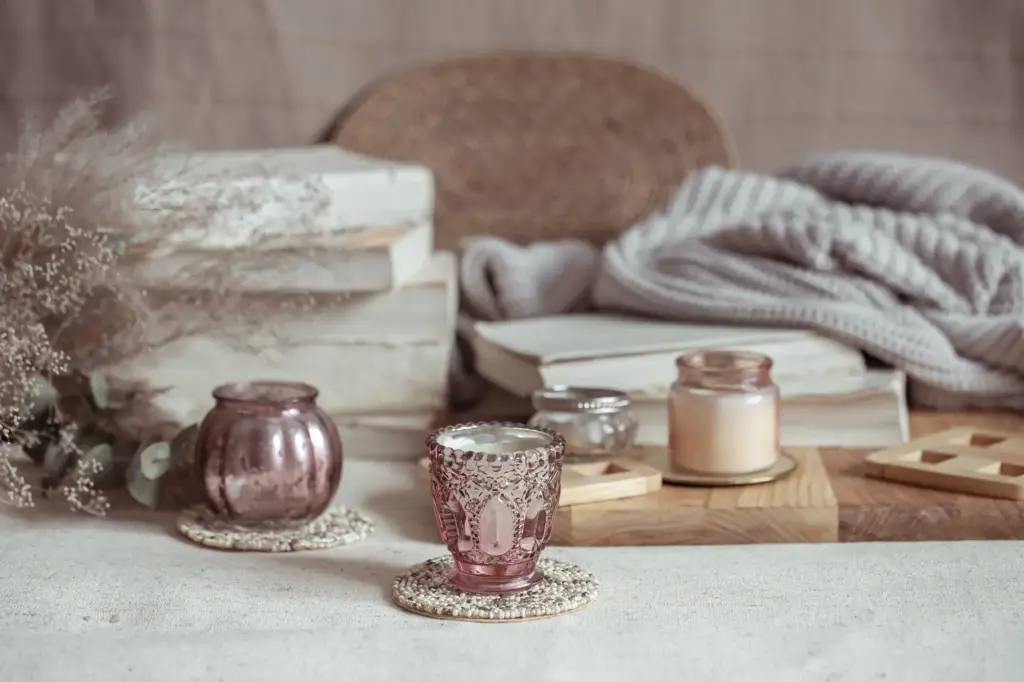
Night spaces ask for tenderness: soft florals, lulling musks, and lightly resinous woods that hush screens and slow thoughts. Keep burn times short and extinguish before sleep; safety and rest are nonnegotiable. Create rituals—dim lights, stretch, light, breathe, snuff—to signal your body. For shared rooms, choose universally soothing notes and avoid heavy incense. If perfumes linger on pillows, reduce candle strength to prevent olfactory fatigue. One reader traded heady jasmine for lavender-iris and reported deeper sleep within a week, crediting predictable cues more than brute strength. Consistency makes bedrooms feel like invitations, not assignments.
Focused Workspaces and Energized Studios
Attention lives in details. Certain aromatics—rosemary, peppermint, and bright citrus—are linked to alertness and memory, yet too much stimulation backfires. Curate micro-burns at task transitions: light before deep work, snuff during concentration, relight for breaks. Keep scents stable to prevent novelty from hijacking focus. For creative studios, consider green fig or ink-and-paper accords that feel thoughtful without shouting. Hydration, posture resets, and occasional window air partner with fragrance to sustain momentum. One designer swears by a tiny rosemary tin for sketch sprints, then switches to tea notes before feedback calls to soften edges gently.
Deep Focus Mornings
Create a launch ritual: clear your desk, set a single intention, light a small rosemary-peppermint blend for seven minutes, then extinguish. The brief cue marks seriousness without flooding senses. Pair with a do-not-disturb block and noise shaping. If caffeine jitters appear, swap peppermint for vetiver’s calm traction. Keep candles out of webcam view to avoid subconscious showmanship. Track output on scented days versus neutral days; use data to refine timing. This approach builds a steady climb into work rather than a sprint that collapses, giving your best attention to the tasks that matter most.
Switching Gears Between Tasks
Transitions often drain energy. Use a bright citrus mini-burn to close one task, stretch, breathe, then relight a softer tea or hinoki note to enter the next phase. The sensory markers tell your brain that fatigue is not failure, only a chapter turn. Keep windows slightly open if possible, and avoid stacking multiple strong candles. For brainstorming, add herbaceous clarity; for editing, reduce scent entirely. The goal is a rhythm your body trusts—gentle lift, quiet landing, repeat—so momentum stays stable across hours, and creative courage coexists with practical precision without either overwhelming the other.
All Rights Reserved.